Emissions inspections serve a dual purpose: they help keep our air clean and ensure that vehicles operate efficiently. For residents of Whitehouse, Texas, understanding the intricacies of emissions inspections is essential not only for compliance but also for maintaining vehicle performance. In this guide, we'll explore what emissions inspections entail, why they are necessary, and how to navigate the process in Whitehouse.
Understanding Emissions Inspections
An emissions inspection evaluates a vehicle's exhaust system to determine its output of harmful pollutants. These checks Car safety inspection Whitehouse TX are part of a broader state vehicle inspection program designed to ensure public safety and environmental protection. Texas has specific regulations governing these inspections, shaped by both federal standards and state laws.
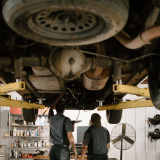
The Importance of Emissions Inspections
The primary aim of emissions inspections is to mitigate the impact of vehicle emissions on air quality. Vehicles contribute significantly to air pollution, which can lead to health issues such as respiratory problems and cardiovascular diseases. By ensuring that vehicles adhere to established emission standards, we contribute to cleaner air and a healthier environment.
In addition to environmental benefits, emissions inspections can uncover potential mechanical issues within your vehicle. A failing emissions system may indicate https://joshhawkinsautomotive.com/about underlying problems that could affect your car's performance or safety. Regular inspections help identify these issues before they escalate.
The Emissions Inspection Process in Texas
In Texas, the emissions inspection process typically occurs alongside the annual vehicle safety inspection. This combined approach streamlines the experience for vehicle owners while ensuring compliance with state regulations. Here’s what you can expect during an emissions inspection:
Preparation: Before heading to an inspection station, ensure your vehicle is in good condition. Check fluid levels, tire pressure, and overall cleanliness.
Inspection Station: Visit an approved inspection station in Whitehouse. Make sure it is licensed and equipped to conduct both safety and emissions inspections.
Testing Procedure: The technician will perform various tests on your vehicle's exhaust system using specialized equipment. These tests measure the amount of hydrocarbons (HC), carbon monoxide (CO), nitrogen oxides (NOx), and other pollutants emitted by your vehicle.
Results: If your vehicle passes the emissions test, you will receive documentation that indicates compliance with state standards. If it fails, the technician will provide details on necessary repairs.
Repairs and Re-inspection: Should your vehicle fail the inspection due to high emissions levels or other issues, you will need to make repairs before returning for a re-inspection.
Common Issues Leading to Failed Inspections
Several factors can cause a vehicle to fail its emissions inspection in Whitehouse:
- Faulty Oxygen Sensors: These sensors monitor oxygen levels in exhaust gases and play a vital role in fuel efficiency. Damaged Catalytic Converters: Essential for reducing harmful emissions, any damage or malfunction here can lead to significant failures. Excessive Oil Consumption: Burning oil can produce higher levels of smoke and pollutants. Malfunctioning Fuel Injectors: Poor fuel delivery can result in incomplete combustion and increased emissions. Check Engine Light: If this light is illuminated on your dashboard during the inspection, it may indicate various problems that need addressing.
Frequency of Emissions Inspections
In Texas, most vehicles require an annual safety inspection that includes an emissions assessment if they fall under specific categories—primarily those manufactured after 1995 or weighing less than 14,000 pounds. However, certain exemptions apply based on age or type of fuel used.
Understanding when your next inspection is due is crucial for staying compliant with state regulations while avoiding penalties that come from driving without valid documentation.
Choosing the Right Inspection Station
Finding a reputable inspection station is key to ensuring a smooth experience during your emission testing:
Certification: Ensure that any station you consider is officially certified by the Texas Department of Public Safety.
Experience: Look for stations staffed with ASE-certified technicians who have extensive training in conducting both safety and emissions inspections.
Reviews: Check online reviews or ask local residents about their experiences at specific stations in Whitehouse.
Convenience: Consider locations that offer walk-in services or same-day inspections if you need immediate compliance.
Affordability: While prices can vary slightly between stations, be wary of fees significantly lower than average; this could indicate subpar service quality.
Preparing Your Vehicle for Inspection
Before heading into an inspection station for an emissions check in Whitehouse, it’s beneficial to prepare adequately:
- Conduct routine maintenance checks; ensure your engine runs smoothly without leaks or unusual noises. Inspect your exhaust system visually—look for visible rust or holes. Replace any worn spark plugs or filters as these components affect engine performance directly linked to emission levels. Clean out any warning lights on your dashboard through diagnostics before arriving; this often prevents unnecessary failures during testing.
Taking these steps does not guarantee passing but certainly reduces risks associated with unexpected failures during testing.
Post-Inspection Steps
After successfully completing an emissions inspection:
- Keep all documentation safe; you may need it when renewing registration or selling your vehicle later on. If repairs were required following a failed test, maintain records detailing what was fixed—these documents may be crucial should recurring issues arise.
By being proactive about maintenance as well as understanding what goes into an effective emission control system within vehicles today—drivers can save time and money over time while keeping our roads safer too!
Conclusion
Emissions inspections are more than just regulatory hurdles; they are vital checkpoints that contribute significantly toward safeguarding our environment while ensuring vehicle reliability on Texas roads like those in Whitehouse. By staying informed about what these inspections entail—from preparation through testing—you empower yourself not only as a responsible driver but also as someone committed towards contributing positively towards community health initiatives aimed at cleaner air quality statewide!
To navigate this process effectively requires diligence—from checking up-to-date local regulations surrounding emission standards yet also understanding how best practices around routine maintenance helps avoid unwarranted complications down line—all converging together ensures seamless experiences every year moving forward!